How to Choose Reliable Roof Contractors

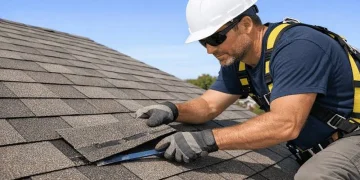
Property owners searching for a roof contractor often assume that a company advertising general roofing services is equally competent across every roof type and material, when in practice experience varies considerably between flat roofs, pitched tile roofs, and metal roofing systems. Choosing based on advertising alone, rather than verified experience with the specific roof type involved, is a common reason a project runs into avoidable problems. Reviewing roof contractors before committing to a quote helps narrow the search to contractors genuinely suited to the job.
Verifying Licensing and Insurance
A reputable roof contractor should carry liability insurance covering both property damage and worker injury, along with any licensing required for working at height on a client’s property. Asking to see proof of both before signing an agreement is a reasonable request, and a contractor reluctant to provide this documentation promptly is a warning sign worth taking seriously. Verifying the insurance policy is still active, rather than accepting an outdated certificate, is a small extra step that avoids a nasty surprise if an accident occurs.
Checking Experience With the Specific Roof Type
A contractor experienced with pitched tile roofs may have limited experience with a flat membrane roof or a metal roofing system, and this distinction matters considerably more than general years in business when evaluating suitability for a specific project. Asking for examples of recent work on a comparable roof type gives a more accurate picture of relevant experience, and a contractor confident in their work will usually share this readily.
Getting a Detailed, Itemised Quote
A genuinely detailed quote itemises materials, labour, disposal of old roofing material, and any structural repairs identified during inspection, rather than presenting a single vague lump sum. Comparing quotes at this level of detail, rather than the bottom-line figure alone, reveals which contractors have actually assessed the job properly, and which are simply hoping the client will not ask too many questions.
Understanding Whether You Need Repair or Replacement
Property owners dealing with an existing problem rather than a full replacement should also review roof contractors to understand whether the issue at hand is a straightforward repair or a sign of more extensive underlying damage. This context helps frame a more informed conversation with a prospective contractor.
Understanding Workmanship Warranties
Beyond the manufacturer’s warranty on materials, a contractor’s own workmanship warranty covers issues arising from installation quality, and the length and terms of this warranty vary considerably between contractors. Clarifying what this warranty actually covers, and for how long, avoids a dispute later over responsibility for a specific defect. Getting the warranty terms in writing, rather than relying on a verbal assurance at the point of sale, gives a property owner something concrete to refer back to if an issue arises.
Timeline Expectations for Roofing Projects
A straightforward repair might take a single day, while a full roof replacement on a larger property can take one to two weeks depending on weather, material availability, and the complexity of the roof structure involved. A contractor should provide a realistic timeline upfront, including how weather delays will be handled, rather than an overly optimistic estimate. Singapore’s frequent afternoon showers make weather contingency planning a genuinely practical concern rather than a minor footnote in the schedule.
Handling Payment Structures Safely
A reasonable payment structure involves a modest deposit followed by progress payments tied to completed milestones, rather than a large upfront payment before any work has begun. Being wary of a contractor demanding full payment in advance protects a property owner if the relationship does not proceed as expected. Withholding a final portion of payment until the completed work has been inspected also gives a property owner reasonable leverage to have any defects addressed.
Reading Reviews and Requesting References
Online reviews provide a general sense of a contractor’s reputation, but speaking directly with past clients, particularly those with a similar roof type or project scale, often reveals more specific and useful detail about how issues were handled during the project. This extra step is worth the modest time it takes before committing to a larger project.
Considering Solar Installation at the Same Time
Property owners planning a roof replacement should also consider whether the timing makes sense for adding solar panels at the same time, since combining both projects can reduce overall disruption and cost compared with two separate installations later. Reviewing install solar panel singapore alongside a roofing project helps determine whether this combination makes sense for a specific property.
Choosing a Contractor With Confidence
Choosing a reliable roof contractor comes down to verified licensing and insurance, relevant experience with the specific roof type, and a transparent, itemised quote rather than the lowest headline price. Taking the time to check these factors properly before committing avoids the disruption and expense of a poorly executed roofing project. A contractor chosen this way tends to deliver a result that holds up reliably for years, sparing the property owner from repeated repairs down the line.