Replacing a Furnace in Winter While You Still Live in the House: A Calgary Homeowner’s Guide
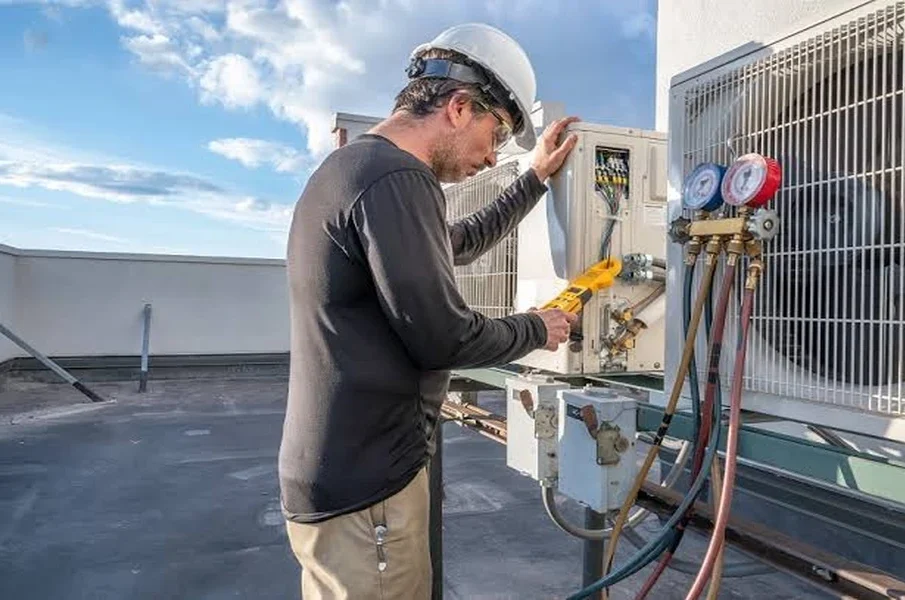
Not every furnace waits for a convenient season. Plenty of Calgary replacements happen in December or February, either because the old unit failed outright or because a technician found a cracked heat exchanger during a no-heat call. Replacing a furnace in an occupied home in the middle of winter is very manageable, although it goes more smoothly when you know what the day involves, how long the house will be without heat, and who handles the paperwork. A little preparation keeps the kids, the pets and the plumbing comfortable while the work gets done.
How Long the House Is Without Heat
A straightforward swap, where the new furnace goes in the same spot and uses similar venting, is often finished within a single working day. The crew shuts off the gas and power, removes the old furnace, sets the new one, connects the gas line, the venting, the ductwork and the condensate drain, and then starts and tests the system. More involved jobs take longer, such as moving from a chimney-vented furnace to new side-wall venting, adding a chimney liner for the water heater, or reworking undersized return ducts. Ask your contractor for a realistic timeline that matches the specific job, and whether any of the preparation can be done before the old furnace is disconnected.
A well-insulated house loses heat gradually, so a few hours without the furnace on a -15 C day usually means a cool house rather than a cold one. In deeper cold, or when an older bungalow loses heat faster, temporary heat makes the day far more comfortable.
Temporary Heat That Works
Portable electric space heaters are the usual answer, and some contractors bring one or two along on winter installs. Place them in the rooms where people and pets will spend the day, and keep them on a clear patch of floor away from curtains, bedding and anything a dog or toddler can knock over. Plug each heater directly into a wall outlet rather than an extension cord, and spread them across different circuits, because two heaters on the same circuit in an older home can trip the breaker. Gas ovens, barbecues and camp heaters are not safe indoor heat sources, since they produce carbon monoxide.
Keep an eye on plumbing as well. Opening the cabinet doors under sinks on exterior walls lets warm room air reach the pipes, and a heater in the basement near the main water line adds a margin on a very cold day. If the replacement happens to stretch overnight, a heater in each occupied bedroom and closed doors on unused rooms will keep the house in good shape.
Planning Around Kids and Pets
On installation day the front door opens many times, and large pieces of equipment come down the stairs while the old furnace goes up. Keeping pets in a closed room with a heater, or arranging for a friend to take them for the day, avoids escapes and keeps them away from tools and open ductwork. Young children are usually happier out of the house for the morning, when the noisiest work happens. Clearing a path from the door to the furnace room, including moving boxes and storage away from the furnace itself, saves the crew time and keeps the job on schedule. When you book furnace replacement during the heating season, it helps to mention pets, finished basements and tight stairways so the crew arrives prepared.
Permits, Gas Fitters and the Inspection
The City of Calgary requires a permit for every furnace installation and replacement, and in practice the installer applies for it, so it is worth asking about early when comparing furnace replacement quotes in Calgary. The furnace replacement permit is issued to a qualified HVAC contractor and covers the appliance and its venting, while gas work, including the gas line to the furnace, is permitted to a qualified gas fitter. A homeowner can only pull a gas permit if they are an Alberta-certified journeyman gas fitter working on their own single-family home, so for nearly everyone the permit comes with the contractor. Gas work in Alberta is regulated under the Safety Codes Act, which is why it is done by certified gas fitters rather than general renovators.
After the installation, the permit leads to an inspection by a safety codes officer. Keep the permit number and the installer’s paperwork with your house records, because insurers and future buyers sometimes ask for it. Before you sign, confirm in writing that the permit is included, since a missing permit can create problems long after the furnace is running.
Where ATCO Gas Fits In
ATCO Gas delivers natural gas in Calgary and owns the meter outside your house. For a typical furnace swap, the installer shuts off the gas at the furnace’s own valve and the utility is not involved. ATCO becomes part of the job only when the meter or the service line needs work, for example if the meter has to be relocated because a new vent termination would end up too close to it. If you ever smell gas during or after the work, leave the house and call 911 or ATCO’s emergency line from outside.
Calgary Air Heating and Cooling Ltd Contact Information
Address
Phone
+1 (403) 720-0003
Hours of operation
7 a.m. to 11 p.m. (including weekends)
https://calgaryair.ca/furnace-replacement-calgary/
Venting and Snow
Most replacement furnaces vent through two plastic pipes on a side wall, and in winter the location of those pipes matters more than it seems. They need to sit above the expected snow level and clear of windows, doors and the gas meter, and they should not end up under a deck where drifting snow collects. Ask where the terminations will go and walk outside with the installer to look, because moving them later costs more than placing them well the first time.
After the Install
Before the crew leaves, ask them to walk you through the new thermostat, show you where the filter goes and how often to change it, and point out the condensate drain and any pump. Register the furnace with the manufacturer promptly, since many parts warranties depend on registration within a set period. Over the first few days, listen for any unusual noises, keep the outside vents clear after snowfalls, and call the installer if anything seems off. A winter replacement that is planned around the household tends to be a single disruptive day followed by a much warmer house for many winters to come.