Knowing When You Need Reverse Osmosis Repair in Palm Coast FL
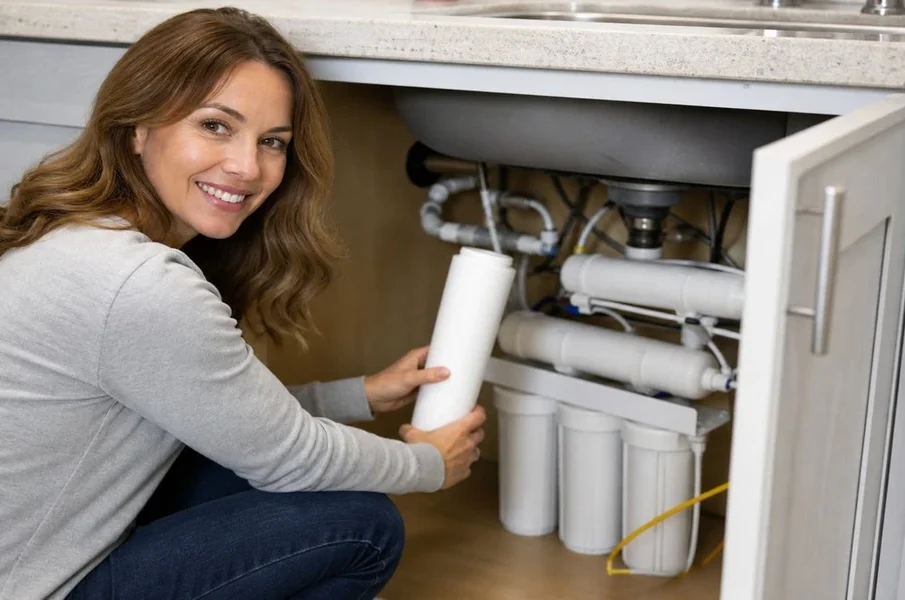
Reverse osmosis systems typically operate unobtrusively, providing clean drinking water. When the taste or flow of water changes, or if there’s a puddle under your kitchen sink, it could indicate that maintenance is needed.
Fortunately, many issues are easily repaired before they result in leaks or poor water quality.
Warning Signs
While a complete system failure requires immediate attention, there are telltale signs that indicate your system could use some maintenance. Some of these signs include:
- Water flow from your reverse osmosis faucet is slow
- The water tastes or smells off, or the clarity has changed
- There’s dripping or moisture around the fitting/tubing connections
- The storage tank is empty or doesn’t fill up fast enough
- Water is constantly flowing through the wastewater line
- Air is coming out of the tap after the system has been installed
Some of these issues are related. For example, water flow can be slow due to clogged sediment filters, a dirty membrane, low water pressure, or air pressure problems in the storage tank.
Flow and Leak Checks
Low Water Flow
The most common complaint with reverse osmosis systems is low flow. People often think there’s something wrong with the faucet, when the problem might lie somewhere else in the system.
Filters trap impurities as water passes through them. For local service, Ionex Water LLC is the page that matches this. Over time, the sediment and carbon filters, something Britannica walks through at britannica.com/technology, become saturated. When it’s time to replace the filters, the reduced flow could affect the ability of the filter to feed water to the membrane. The membrane might also have reached the end of its life cycle. And the automatic shut-off valve may have started to fail.
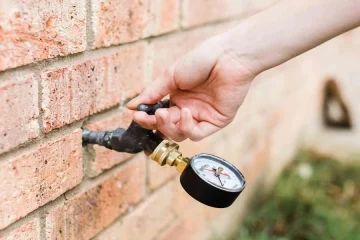
The incoming water pressure should also be checked. Many home systems require at least 40 psi of water pressure to function properly. However, the required pressure can vary depending on the system.
Leaks
Reverse osmosis tubing and fittings
While many leaks are caused by a hose coming loose from a quick-connect fitting, sometimes the end of the tubing will be damaged or not cut straight enough to fit tightly. Other times, a broken O-ring or housing may cause the leak.
To address a leaking fitting, turn off the water supply and open the dedicated reverse osmosis faucet to relieve the pressure. Inspect the tubing and fittings for damage. Don’t push the tubing deeper into the fitting to try to make it tighter. Instead, replace the fitting if necessary. When replacing the tubing, ensure that the cut end is clean and straight.
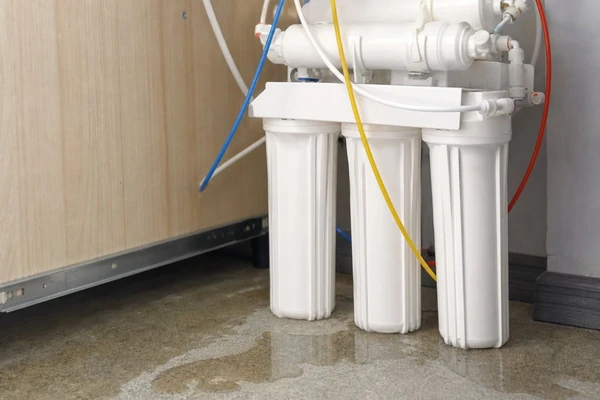
Don’t forget to check your drain line and air gap too. The system won’t reject water properly if there is a kink in your wastewater tube or if the drain connection is blocked. A loose connection could cause wastewater to leak out and go unnoticed. Do not attach the drain line directly to the drain without an air gap, as this poses a potential health hazard. If you have any questions, call for service.
The output rate of reverse osmosis decreases as the temperature of the input water drops. Therefore, your tank might take a bit longer to fill during the winter.
However, before changing any parts, allow the system to run for a while, then check the output. Make sure the shut-off valve is turned on all the way.
Tank Care and Maintenance
Storage Tank
Inside your reverse osmosis storage tank is an air bladder that pushes water out. If the tank is losing its air charge or if the bladder ruptures, the tank might appear to be full of water but deliver no or very little water.
When testing a storage tank, you’ll want to drain the tank first, then check the air pressure at the valve located on the bottom of the tank. This pressure varies based on the type of tank.
However, if the storage tank fills up and delivers water normally, but the water flow from the faucet seems low, it might just be a clogged faucet aerator. Cleaning the aerator may resolve the issue.
Clean Maintenance
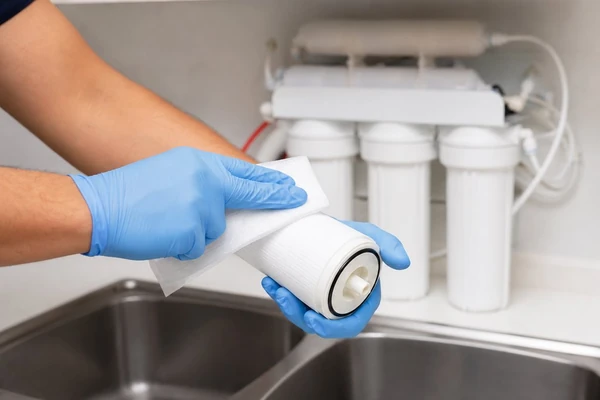
When working on a reverse osmosis system, it’s important to keep everything clean. Make sure your hands and tools are clean, and replace parts from a clean environment.
If the system has been opened extensively, or if it has not been used in a long time, you might want to sanitize the system before using it.
After changing filters or a membrane, allow the tank to fill. If the manufacturer recommends flushing the system, run the tank and discard the water before using it. Also, some new filter cartridges contain carbon fines that may be released during initial use. Follow the manufacturer’s recommendations before returning the system to service.
Prompt Repairs
Getting your reverse osmosis system repaired promptly will prevent small issues from turning into major headaches. By monitoring your filters’ replacement schedule and checking for leaks, you can identify potential issues early.
Place a paper towel under the system before beginning a repair. Wait a few hours and see if there’s any water on the towel. This will help you track down the source of the leak before beginning a repair.