
How to Maintain the Beauty and Durability of Stone Kitchen Countertops
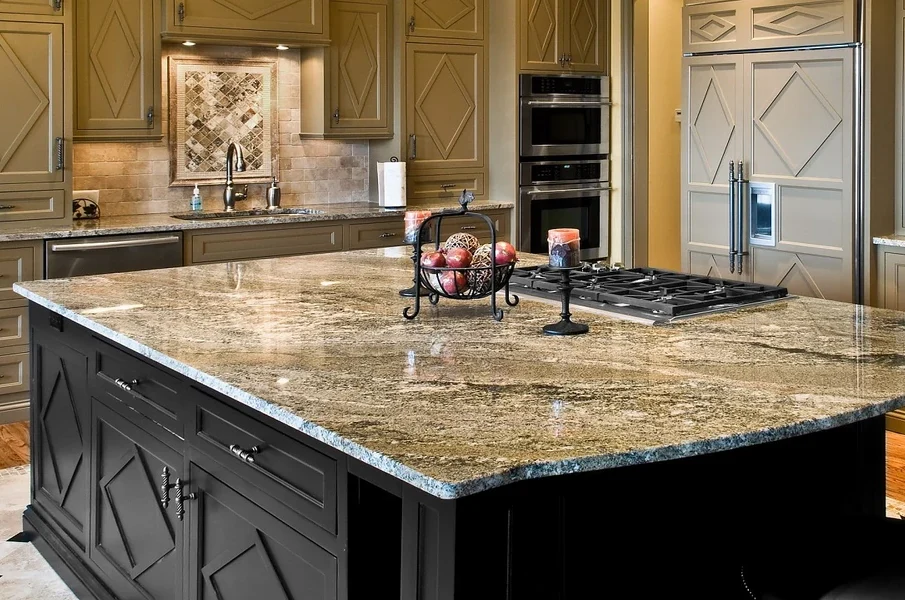
A stone kitchen countertop adds timeless elegance and impressive resilience to any kitchen, but only if it’s treated with the right care. From avoiding stains to keeping that just-installed shine, the key to longevity lies in daily habits and a few clever tricks that many homeowners overlook.
Understanding the Challenges of Maintaining Stone Kitchen Countertops
Stone countertops are highly prized for their natural patterns and robust composition, but they are not invincible. Spilled wine, a wayward knife, or even regular exposure to sunlight can gradually wear away at their beauty.
Common Issues: Stains, Scratches, and Dulling
Spills from coffee, oil, and acidic foods can seep into porous stone surfaces, causing persistent stains. Granite, for example, is more porous than quartz and might soak up liquids quickly if not sealed. Knives can leave behind scratches, and over time, frequent cleaning with the wrong products results in a dull, lackluster finish.
How Stone Types Differ in Durability and Care Needs
Not all stone is created equal. Granite is celebrated for its toughness, but quartz is engineered for uniform durability and a non-porous surface. Marble brings unmatched sophistication but is especially sensitive to acids and scratching. Recognizing these subtle differences informs how you clean and protect your countertops.
Environmental and Usage Factors That Impact Longevity
Sunlight can fade natural color, especially on lighter granites. High humidity, improper sealing, or even heavy-handed cleaning can all accelerate the wear process. Busy family kitchens with lots of cooking require more vigilant care than infrequent-use kitchens.
Choosing the Right Stone for Longevity and Aesthetic Appeal
If you’re selecting a new countertop or renovating, understanding these differences is just as important as maintenance.
Comparing Granite and Quartz: Strengths and Vulnerabilities
Here’s a straightforward look at how granite and quartz stack up:
| Feature | Granite | Quartz |
|——————|———————————-|————————————-|
| Porosity | High (requires sealing) | Low (non-porous, rarely sealed) |
| Stain Resistance | Moderate (if sealed well) | Excellent |
| Scratch Resistance| Good | Very Good |
| Heat Resistance | Excellent | Good (but avoid direct hot pans) |
| Design Variation | Unique, natural veins | Consistent, custom colors |
Importance of Quality Grade and Source of Stone
Premium stones retain their finish longer and are less likely to have hidden flaws. Where the stone is sourced matters, too. Products like Kitchen Wholesalers countertops are imported from top regions, ensuring a wide selection of grades and natural color options, which is crucial for both aesthetics and performance.
Environmental Benefits of Premium Quartz
Modern quartz, particularly those with low carbon production and no radiation, offers a sustainable edge. They often use recycled materials and emit fewer volatile organic compounds, making them a smart choice for eco-conscious households.
Effective Cleaning Techniques for Stone Countertops
The right approach makes daily care nearly effortless, but the wrong method can quickly cause irreversible damage.
Daily Cleaning: What Works and What to Avoid
Wipe surfaces with a soft cloth or sponge and warm, soapy water. Avoid abrasive pads or powdered cleansers, which can scratch or dull the finish. For dried spills, use a plastic scraper instead of anything metal.
Safe Cleaning Products: pH Considerations and Ingredients to Skip
Stick to pH-neutral cleaners. Acidic substances like vinegar, lemon juice, or harsh bleach-based products should never touch stone, as they erode both the sealant and the stone itself.
Dealing with Tough Stains Without Damaging the Surface
For stubborn stains, create a paste of baking soda and water. Apply, cover with plastic wrap, let it sit overnight, then gently wipe away. This method lifts stains without abrasive action or harmful chemicals.
Preventative Measures to Protect Stone Countertops
A few simple habits can preserve both the look and the integrity of your countertop for years.
Using Sealants: Types, Application, and Frequency
Granite and some natural stones benefit from penetrating sealants, which are typically reapplied every 1 to 2 years. Quartz surfaces generally do not need sealing but can benefit from periodic polish to enhance shine.
Practical Habits: Cutting Boards, Trivets, and Spill Management
Always use cutting boards instead of chopping directly on the stone. Place hot pans on trivets or pads to avoid thermal shock, which can crack even the toughest granite. Wipe spills promptly to prevent absorption.
Avoiding Heat Damage and Chemical Exposure
Even though granite handles heat well, rapid temperature shifts can cause cracks. Acidic foods, chemical drain cleaners, and paint removers should never come in contact with stone surfaces.
Repairing and Restoring Stone Countertops
Despite your best efforts, chips and scratches can happen. Catching them early is key.
Identifying When Professional Help Is Needed
Deep cracks, large chips, or widespread dullness call for a professional stone restorer, especially if the damage risks further spreading.
DIY Fixes for Minor Chips and Scratches
Small chips can sometimes be repaired using color-matched epoxy. Light scratches are often minimized with stone polish or special buffing pads designed for home use.
Polishing and Rejuvenating Dull Surfaces
Periodic polishing with products recommended by your installer can restore the original luster, especially for granite.
Implementing a Maintenance Routine for Long-Term Beauty
The most beautiful countertops are those that receive regular attention, not just occasional crisis management.
Creating a Cleaning and Sealing Schedule
Set reminders to wipe counters daily, clean with pH-neutral cleaners weekly, and inspect the surface for wear or stains monthly. For granite, reseal according to manufacturer recommendations.
Seasonal and Annual Deep Care Practices
Each spring or fall, consider a thorough clean and polish. This is also a good time to reapply sealant and inspect for any developing issues.
Monitoring and Adjusting Based on Usage and Environment
If your kitchen is a hub of activity, schedule deeper cleanings more often. Adjust your routine to reflect changes like more frequent cooking or increased sunlight exposure.
Taking Action: Expert Tips and Resources
Professional stone care services in Montreal and Toronto can handle major repairs or deep restoration, often saving you money in the long run. Invest in soft microfiber cloths, pH-neutral stone cleaners, and high-quality sealants for DIY maintenance.
For those looking to upgrade or replace their countertops, products like Kitchen Wholesalers countertops stand out for both their range of choices and their durability.
Conclusion: Balancing Beauty and Durability Through Smart Care Choices
Elegant stone countertops reward careful owners with decades of beauty and functionality. By understanding how to clean, protect, and occasionally restore them, you ensure your kitchen remains a showpiece, season after season. For homes in Montreal, Toronto, or anywhere else, a thoughtful maintenance routine transforms a stone countertop from a simple surface into a lasting investment.