7 Checks Before Approving a Furnace Repair Estimate
Two heating repair estimates can describe very different work even when both address the same equipment failure. One might replace a single part, while another adds related components, safety corrections or a broader cleaning. Neither is automatically right. The useful question is whether each proposal explains what was found, what will be done and why that work solves the problem.
Comparing proposals carefully matters most when the house is cold. During a Schaumburg cold snap, homeowners often feel pressure to approve the first quote that promises heat, yet a short review of the paperwork protects both comfort and budget. The Illinois Attorney General’s home repair guidance recommends getting more than one estimate in writing and checking that the contract describes the work, the total cost including any estimate charge, and the payment schedule.
Homeowners who want a clear proposal for their furnace, boiler or heat pump can start with heating repair in Schaumburg through an Itasca based team whose residential heating services cover repair and routine maintenance. Because many homes share a blower, ductwork and thermostat between heating and central air, the same company’s residential cooling maintenance can be planned alongside heating care so the whole system is reviewed on a sensible schedule, while any heating estimate stays limited to heating work. Readers can request a written heating repair assessment through the company website.
1. Diagnostic Findings
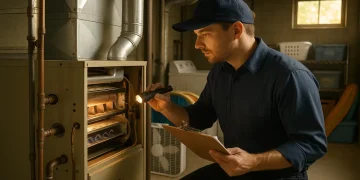
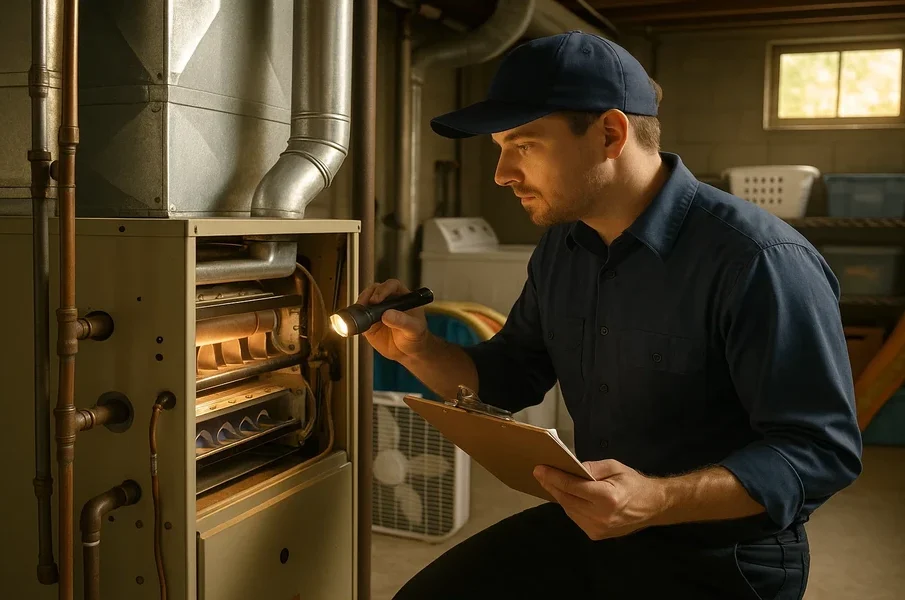
A strong estimate begins with the fault, not the part. It should name what failed and how the technician confirmed it, whether through electrical testing, a flame sensor reading, a control board error code or a visual inspection of a component. When an estimate simply lists a replacement part with no explanation, there is no way to judge whether that part is the cause or just a likely guess.
When reviewing the diagnosis, homeowners can work through a short sequence:
- Find the stated fault and the symptom it explains.
- Look for the test, reading or observation used to confirm it.
- Ask whether any related component was checked and ruled out.
If two estimates disagree on the cause, the documented evidence is usually the best way to decide which diagnosis deserves more confidence.
2. Parts and Labor Scope
Scope describes exactly what the price covers. A clear proposal lists each component to be replaced, any cleaning or adjustment included, and the labor involved. Illinois law, as described in the Attorney General’s materials, expects home repair contracts above a set amount to list parts and materials with reasonable detail, and good heating proposals tend to meet that standard regardless of size.
Comparing written scopes side by side becomes easier with a consistent method:
- List every part named in each estimate.
- Note whether labor, refrigerant, filters or disposal are included or separate.
- Mark items that appear on one estimate but not the other, and ask each contractor to explain the difference.
A lower price that leaves out a needed step is not a true comparison.
3. Repair Versus Replacement
Some estimates present a repair, while others recommend replacing the furnace, boiler or heat pump. The decision depends on more than age. Equipment condition matters, including corrosion, the state of the heat exchanger and whether the cabinet and controls are sound. Repairability matters too, since parts for some older models can be hard to source. A pattern of recurring failures, especially when different components keep breaking, can suggest that repairs are only buying time.
A contractor recommending replacement should explain the reasoning in writing, ideally with the specific findings that ruled out repair. Asking for a priced repair option alongside the replacement proposal lets homeowners make the choice with full information rather than urgency.
4. Safety-Related Work
Some line items exist because of safety, not comfort. Combustion problems, damaged venting, gas valve issues and electrical faults all require qualified professionals, and estimates should explain why such work is needed. The Illinois Department of Public Health carbon monoxide surveillance report announcement lists malfunctioning or improperly ventilated furnaces among the common sources of unintentional exposure and notes that exposures are most common from October to March. Safety corrections deserve clear explanations, but they should never be dismissed simply because they add to the scope. Gas and electrical work is not a homeowner task under any estimate.
5. Estimate Exclusions
Every estimate has limits, and the exclusions section explains what happens when a technician finds more than expected. Additional faults discovered after a part is replaced, restricted access to equipment in tight closets or crawl spaces, and conditions hidden behind panels can all change the job. A clear proposal states how extra work will be handled, whether it requires written approval before it begins, and how it will be priced. Vague language about “additional charges as needed” leaves too much open.
6. Warranty Documentation
Warranty coverage can come from the equipment manufacturer, the installing contractor or both. Homeowners should look for written terms that state what is covered, whether coverage applies to parts, labor or both, and what conditions could void it, such as missed maintenance or registration requirements. Verbal assurances carry little weight later, so any warranty mentioned during the visit should appear in writing on the estimate or the final invoice.
7. Final Verification
The job is not finished when the new part is installed. A thorough repair ends with system testing, confirming that the equipment completes full heating cycles, that safety controls respond correctly and that venting and combustion are operating as intended. Homeowners can reasonably ask for:
- A written summary of the work completed and parts installed.
- A note of any test readings or checks performed after the repair.
- Any remaining concerns the technician observed but did not address.
That documentation becomes useful for future service visits and for any warranty claim. Approving a heating repair estimate in Schaumburg comes down to clarity. When the diagnosis, scope, safety work, exclusions, warranty and verification are all written down, homeowners can compare proposals fairly and choose the work that actually solves the problem.