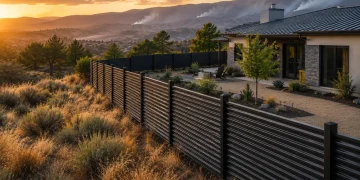
Your Fence Line Matters More in Fire Country
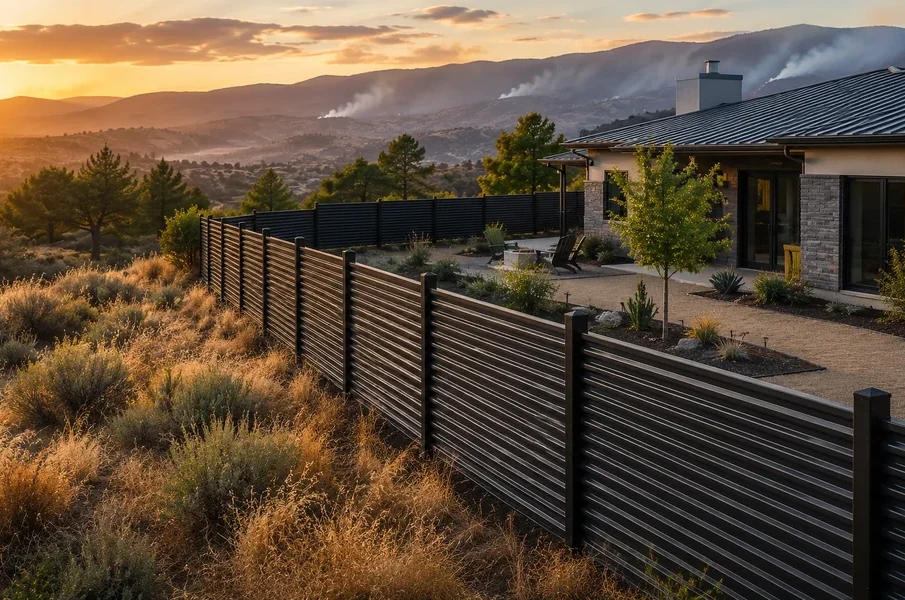
For most homeowners, a fence starts as a simple idea. It marks the property line, keeps the dog in the yard and hides the trash bins from the street. Then the material question shows up, and the decision suddenly carries more weight than expected. In dry inland neighborhoods, summer heat often hangs on well into fall and offshore winds can rise with little warning. In places like that, a fence is more than a border. It is a long, continuous run of material that often ties straight into the walls of the house.
People tend to overlook that connection. Local installers such as North County Fences see the same pattern again and again. Homeowners choose a style first and only think about sun, wind and fire exposure after the posts are already set. If you flip that order and start with the conditions the fence will face, you usually get a fence that lasts longer and protects the home better.
A good way to plan is to think about the three forces working on your fence every day: steady sunlight, sudden gusts of wind and the occasional wildfire season that sends embers drifting far ahead of any flames. Each one rewards different design choices.
Sunlight Does the Slow Damage
UV exposure rarely makes headlines, but it ages every fence material. On wood, sunlight breaks down the lignin that holds the fibers together. The surface turns gray and starts to check, and over time the boards cup or twist. A penetrating stain with UV blockers slows this a lot. In strong sun, though, most stains need a fresh coat every two to three years, not the five that labels sometimes suggest.
Vinyl handles sun differently. Quality vinyl contains UV inhibitors such as titanium dioxide, so it keeps its color and flexibility. Budget vinyl can chalk, yellow or turn brittle after years of afternoon exposure. Vinyl also expands in heat, so rails need room to move inside the posts. A fence installed tight on a cool morning can bow by the middle of summer.
Galvanized chain link barely notices the sun. The vinyl-coated versions that are now common in backyards hold up well too, as long as the coating is bonded properly and not just sprayed on.
Wind Tests What You Cannot See
A solid privacy fence works like a sail. When strong offshore gusts push against a six-foot run of tight boards, all that force goes down into the posts. If the footings are shallow, or the posts were set in loose fill, the fence starts to lean. One bad night can lay it flat.
Most of the protection sits below ground. The usual rule is to bury about a third of the post’s above-ground height, set in concrete that is shaped to shed water away from the wood. Design helps above ground too. Shadowbox styles, horizontal slats with small gaps and louvered panels all let some air through while still blocking the view. They take noticeably less strain than a solid wall of boards.
Gates take the most punishment. A wide gate that slams in the wind loosens its hinges and pulls its post out of plumb. Heavy-duty hinges, a drop rod and a latch that holds against gusts cost little compared with rebuilding a sagging gate later.
Embers Changed the Conversation
For a long time, nobody talked about fences in wildfire planning. Research has changed that. A NIST study on residential fences and mulch beds burned fences under wind-driven conditions. Combustible fences that sat close to each other or over mulch became fully involved within minutes. The worst flames in the whole project came from back-to-back privacy fences with only a small gap between them.
This matters because a wooden fence that touches the house acts like a fuse. Embers settle at the base of the fence, catch the dry leaves collected there, and the flame runs along the boards until it reaches the siding. That is why so much wildfire guidance now focuses on the first five feet around the home. The IBHS guide to defensible space describes this area as a noncombustible zone, and California is still writing rules for that same strip of ground.
If you want a fence that still works for privacy but behaves better in fire season, these design moves make the biggest difference:
- Use a metal gate or a short metal or masonry section wherever the fence meets the house, so the combustible run stops at least five feet from the walls.
- Keep the base of the fence clear of leaves, bark mulch and stacked lumber, especially in the corners where debris collects.
- Talk with neighbors before building alongside an existing fence, because two parallel wooden fences create a narrow channel that burns intensely.
- Make sure every gate opens by hand and swings freely, since a stuck or power-dependent gate can block an exit or keep firefighters out.
Choosing Materials With All Three Forces in Mind
Wood still offers the warmest look and the easiest repairs. It does best when it’s stained often, set on deep footings and kept away from the house wall with a noncombustible break.
Vinyl needs little upkeep and tends to resist flame spread better than wood, though it can soften and sag under heavy heat. Buy thicker profiles from manufacturers that publish their UV and wind ratings.
Chain link is practical for side yards, pet runs and slopes. Privacy slats change how much wind it catches, so the post spacing may need to be tighter when slats are added.
Ornamental metal such as steel or aluminum suits front yards and pool areas, and it works well as the connector piece next to the house. More homeowners now pair metal posts with wood or composite infill to get the look of wood without wood posts rotting in the soil.
The Part Hidden in the Dirt
Termites and moisture attack fences from below, where nobody looks until a post snaps. Both subterranean and drywood termites are active in warm inland areas, and untreated wood in contact with soil is an easy target. Use posts that are pressure treated for ground contact, or switch to steel posts. Either way, keep sprinkler spray off the bottom boards. Expansive clay soils also swell after rain and shrink in drought, slowly pushing shallow posts out of line, so deeper footings protect against that as well.
Planning Before the First Post Goes In
The fences that age best usually start with a few unexciting steps. Confirm the property line rather than relying on an old fence’s location. Check your city or HOA’s height limits and permit requirements before ordering materials. Walk the yard at different times of day to see where the sun hits hardest and where the wind comes through. Then match the materials to each section of the fence instead of using one material all the way around.
A fence will spend decades in the same sun, wind and seasons. Planning for those conditions from the start costs much less than fixing problems later, and it means the fence keeps doing its job when the weather turns bad.