Read an Air Cleaner’s Noise Claim Beside Its Fan Setting
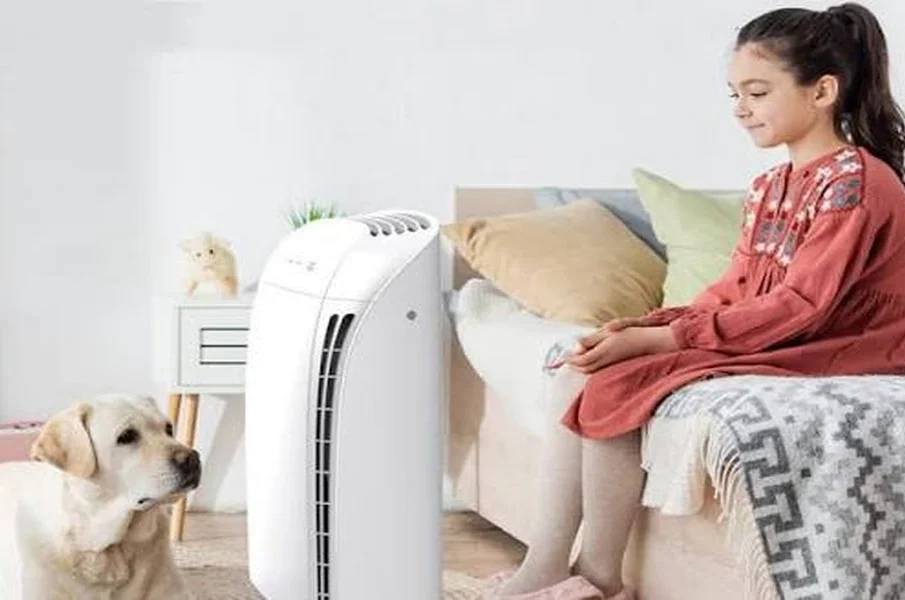
When comparing air cleaners, find out whether the quoted sound level and cleaning performance refer to the same operating setting. A quiet low-speed figure should not be paired automatically with maximum output. For Markham residents planning to use a rental near a home office or living area, the useful choice is equipment that can perform its intended job in an arrangement people can follow.
Quiet and powerful may describe different settings
A product description can contain several individually accurate statements that do not describe one simultaneous operating condition. It may mention a low sound level, several fan speeds and a maximum airflow figure. Before combining those into a single impression, ask which setting belongs to each claim. If the documentation does not make that relationship clear, the comparison remains incomplete.
The US Environmental Protection Agency’s guide to air cleaners in the home notes that noise depends partly on fan speed and that published clean air delivery rates are typically associated with the highest setting. This is a reason to evaluate performance and sound together. It does not provide a noise rating for a particular rental unit, nor does it mean every professional air scrubber carries the same consumer rating information.
Keep units and test descriptions attached to any numbers provided. If one figure is missing, do not fill the gap with a value from a similar-looking machine. A provider may have a manufacturer’s specification, a model-specific manual or a practical demonstration available. Ask for what is actually known. A clear statement that no comparable published rating is available is more useful than a confident but unsupported description of the unit as “silent.”
A demonstration should answer your actual use question
For a rental enquiry, air-scrubber rental information for Markham gives a starting point for asking about the supplied model and its operating modes. Explain whether the equipment would be near conversation, work calls or another ordinary activity. Ask the provider which setting is appropriate for the intended task before requesting a demonstration at that setting. Hearing a different mode may not answer the question that matters.
If a demonstration is possible, treat it as practical information with limits. A brief listen in a pickup area cannot reproduce every feature of the room at home. It can, however, help the renter understand the character of the machine and avoid surprise. Ask what normal operation should sound like and what changes warrant contacting support. Do not convert an informal listening impression into a measured sound specification.
A home-office example makes the tradeoff clear. An owner may be comfortable with the sound during routine paperwork but find it difficult during recorded calls. The solution should be discussed before choosing equipment. Depending on the purpose, an adviser may be able to suggest a permitted arrangement or another suitable approach. The owner should not simply assume that turning the machine down whenever it becomes inconvenient preserves the intended performance.
Keep the conversation specific about duration as well. A sound that seems acceptable for a short demonstration may feel different over a long period, and the intended operating schedule may be part of the plan. Explain the room’s use honestly instead of agreeing to a setting the household already knows it will not maintain. Practical constraints are information for selection, not details to conceal until the equipment arrives.
Plan the room around the permitted operating arrangement
A machine’s placement must remain consistent with its instructions and the purpose of the work. Do not cover it, place it in a cupboard or surround it with improvised sound barriers to make it less noticeable. A tidy-looking arrangement is not necessarily an appropriate one. Ask the provider about required clearances and permitted positioning, then consider how the room’s activities can fit around those requirements.
Sometimes the better adjustment concerns where an activity happens. A household might move a particular call to another suitable room while keeping the agreed equipment arrangement intact. In other situations, the proposed use may simply be unsuitable for the space. Recognising that before booking is useful. It allows the owner to discuss a different plan rather than making unapproved operating changes after delivery.
If the unit is being used within a professionally managed project, ask the responsible person before changing its setting, placement or schedule. A household comfort preference does not by itself redefine the technical task. At the same time, the project lead needs to know if the arrangement is impractical for occupants. A candid discussion can address the conflict explicitly instead of leaving residents to improvise.
Treat a new sound differently from an inconvenient one
Normal operating sound that is bothersome and a new unexplained sound are different concerns. If the machine changes behaviour, follow its instructions and contact the provider rather than assuming it is merely working harder. Describe when the change appeared and what was happening, without opening the unit or attempting a repair. The supplied support guidance should determine any authorised checks.
Do not mask a suspected problem with music, coverings or another appliance. Equally, do not diagnose a fault solely because the normal sound is louder than expected. The earlier demonstration and model information can help the renter explain the difference. Keep safety and equipment condition separate from the ordinary question of whether the room is pleasant to use.
The most useful comparison pairs the required operating condition with the sound people will actually experience. A low noise claim on its own does not establish a workable rental, and a high output claim does not excuse an arrangement occupants cannot follow. Choose with both pieces of information in view, then preserve the agreed operating conditions throughout the job.