How a Fence Company Should Handle an Uneven Boise Property
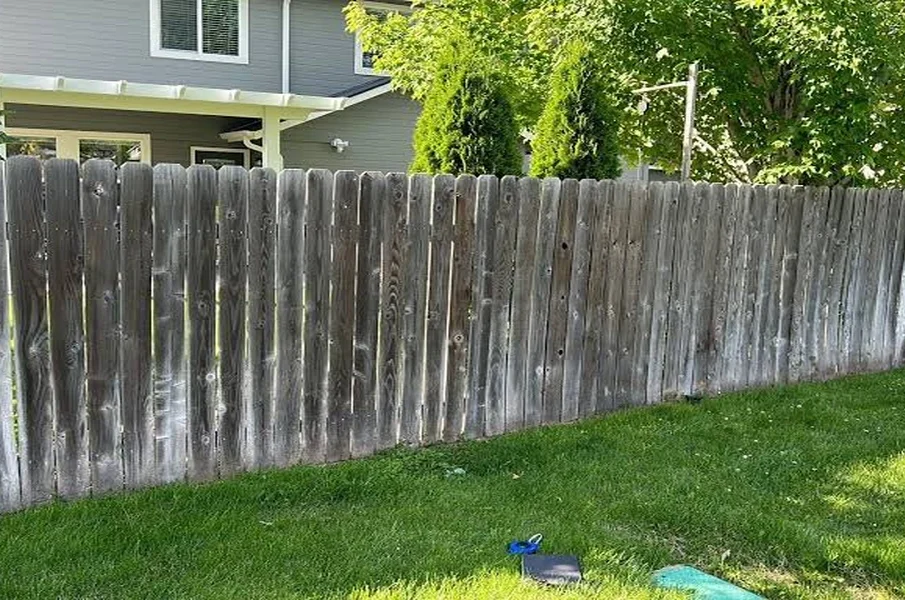
A fence line can look simple until the ground starts changing underneath it. Slopes, dips, raised sections, and drainage paths can make a straight run of fencing harder to install. The fence still has to follow the property line, but each section also has to meet the ground properly and work with the yard around it.
That is why homeowners with sloped or uneven lots should look beyond the fence material. Anyone searching for the best fence company in Boise should also ask how the contractor handles changes in grade and plans the layout before installation begins.
Measuring the Grade Comes Before Installation
An uneven yard has to be measured before the design is settled. A small change in grade may barely affect one section, while a steeper slope can change the height, spacing, and placement of several panels. A contractor should look at a few things first.
- Where the property rises or drops along the fence line
- Whether the ground changes gradually or in short, steep sections
- Where driveways, walkways, trees, and structures meet the fence
- How water moves across the yard after rain
- Whether the ground is stable enough for the planned posts
These details decide how the fence should follow the property instead of forcing a standard layout onto uneven ground.
A Sloped Yard Changes How Panels Meet
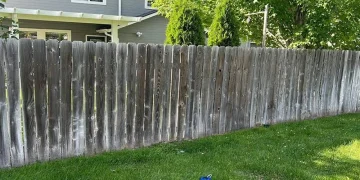
Fence panels cannot always follow a changing grade the same way. On a gentle slope, the fence can follow the ground gradually, while a sharper change may call for stepped sections, adjusted panel heights, or a different layout. The space beneath the fence matters too, since large gaps can open up when a straight fence crosses uneven ground, which affects privacy, pets, and appearance. A contractor who measures each section can account for those changes before materials are ordered.
Posts Need a Solid Base
Posts carry the weight of the fence, so uneven ground makes their placement especially important. A post set into shallow or unstable ground can affect every section attached to it. Soil also changes across a property, and one area may be firm while another has loose soil, buried material, or drainage problems. The installer needs to know what is beneath each post before setting it, especially where a slope meets a flatter section and the ground changes.
Drainage Should Be Part of the Layout
Water often follows the same slope that makes a fence hard to install. A fence should not block an established drainage path or leave water trapped against posts and panels. A few things should be checked before the layout is set.
- Areas where rainwater already collects
- Downspouts that discharge toward the fence line
- Low points where runoff crosses the property
- Soil that stays wet after rainfall
- Existing drainage channels or grading features
A contractor can then route the layout around those areas, and in some cases drainage work may need to happen before the fence goes in.
The Material Still Has to Suit the Grade
An uneven property does not rule out a particular material, but it does affect how the material is installed. Concrete sections can be built to follow changes in grade, and a hybrid of concrete posts with cedar panels handles a slope while keeping the look of wood. Petrified Fence Boise installs concrete, hybrid, and rail fencing and provides on-site estimates before installation.
Gates Need Extra Attention on Uneven Ground
A gate has to open and close cleanly after installation, so its placement matters more on a sloped lot. A gate set directly across a steep section can have clearance problems or put extra strain on its hinges and posts. A flatter portion of the fence line is often the better spot, and if the gate must go on a slope, the installer has to account for the grade in its height, swing, and clearance. This is why a fence plan should include the gates from the start instead of adding them once the rest is laid out.
An uneven Boise property does not have to make fencing complicated, but it does take more attention before the first post goes in. A fence planned around the grade, soil, drainage, and gates is more likely to fit the property well and perform as expected over time.