‘Mitsubishi Aircon’ Actually Refers to Two Separate Companies
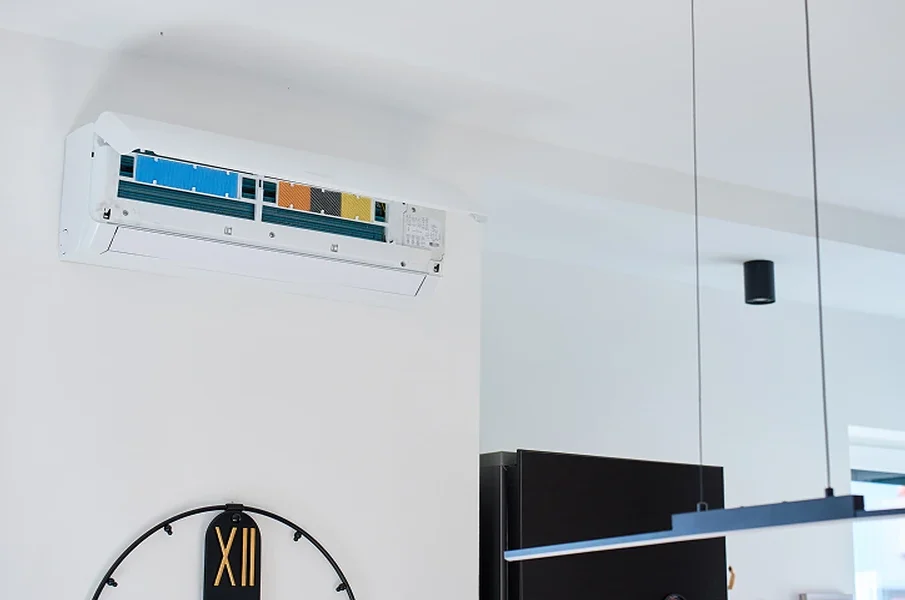
Searching for a “Mitsubishi aircon” in Singapore turns up units from two entirely separate companies, Mitsubishi Electric and Mitsubishi Heavy Industries, both legitimately using the Mitsubishi name, both selling genuinely different aircon product lines. They aren’t divisions of the same business or rebadged versions of each other’s technology. They’re two independent companies that happen to share a name with historical roots in the same broader Mitsubishi group, now operating entirely separately in the air conditioning market.
It’s an entirely reasonable assumption to make walking in, given how strongly a single shared name usually implies a single, unified product line in most other industries.
Two Companies, One Shared Name
Laid out side by side, the actual relationship between the two becomes clearer than the shared branding initially suggests:
| Mitsubishi Electric | Mitsubishi Heavy Industries | |
| Singapore branding | Sold under the Starmex name | Sold under the MHI name |
| Corporate relationship | A separate, independent company | A separate, independent company |
| Product lines | Own distinct model range and features | Own distinct model range and features |
Neither company’s products are simply a variant of the other’s. A specification sheet for one company’s model tells you nothing reliable about what the other company’s equivalent model actually offers.
Why Sharing a Name Doesn’t Mean Sharing a Product Line
Mitsubishi Electric’s Singapore aircon range, sold under the Starmex name, includes its own specific technologies, VCSi inverter systems, particular filtration features, and its own distinct model naming conventions. Mitsubishi Heavy Industries runs its own separate development and manufacturing process entirely, with its own model range and its own set of features. Someone comparing a Starmex unit’s specifications against an MHI unit isn’t comparing two versions of the same product line; they’re comparing two genuinely different companies’ separate engineering decisions.
Neither range is simply a rebadged version of the other, dressed up under a shared family name. Each company has made its own independent choices about what to build.
Why This Distinction Matters Before Installing Anything
Assuming all Mitsubishi-branded units share the same underlying technology can lead to comparing the wrong specifications against each other, or expecting a feature from one company’s range to automatically appear in the other’s. Anyone installing a Mitsubishi aircon benefits from knowing upfront which of the two companies a specific model actually comes from, since servicing, spare parts, and even basic troubleshooting approaches can differ between them.
Why This Confusion Actually Matters When Comparing Options
A quote or a product listing that simply says “Mitsubishi” without clarifying which company is genuinely ambiguous, since the two brands can differ meaningfully in price, feature set, and even service network availability. Comparing quotes without confirming which company each one actually refers to risks an apples-to-oranges comparison dressed up as a straightforward one, simply because both options carry the same recognisable name on the surface.
Two quotes that look directly comparable on paper can actually be describing units from entirely different companies, with the shared branding masking that difference rather than revealing it.
Why Knowing the Difference Actually Helps With Choosing
A genuinely informed decision requires knowing which company’s range is actually being considered, not just recognising the shared Mitsubishi name on a brochure. Anyone choosing the right Mitsubishi system should ask directly which company a specific model comes from, since that answer shapes everything from available features to long-term servicing and spare parts support.
Why This Distinction Rarely Comes Up in Casual Conversation
Most everyday conversations about aircon brands treat “Mitsubishi” as a single, unified name, understandably, since the shared branding makes the distinction genuinely easy to miss without someone specifically pointing it out. Retailers and installers who handle both companies’ products don’t always volunteer which one a specific unit actually belongs to unless directly asked, simply because the question rarely comes up from customers who don’t yet know there’s a distinction to ask about.
A single, direct question during any quote or consultation, which Mitsubishi company does this actually come from, tends to clear the whole thing up immediately.
A single family name on a nameplate doesn’t guarantee a single, unified product underneath it. Mitsubishi Electric and Mitsubishi Heavy Industries genuinely are two separate companies making their own separate decisions about their own separate aircon ranges, and knowing which one a specific system actually belongs to is worth confirming before comparing anything else.
The name on the unit is really just the starting point of the question, not the answer to it.
Not sure which Mitsubishi company your system or quote actually refers to? Contact Newway Air Conditioning for a clear answer.