Dryer Repair Technician vs Appliance Repair Specialist: What’s the Difference?
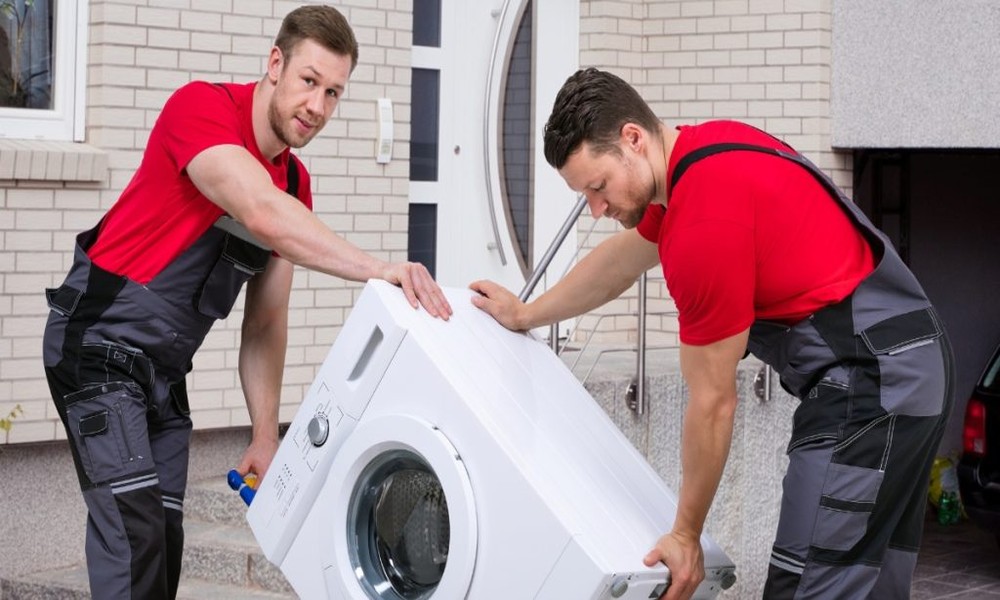
Many homes rely on working appliances every day. A broken dryer can disrupt daily routines fast. So, choosing the right repair expert becomes very important. Some professionals focus on one machine type only. Others handle many appliances across the home with general skills. A dryer repair technician works with deep focus on dryer systems and parts. An appliance repair specialist handles wider service needs with flexible knowledge. This difference shapes service quality, speed, and overall experience.
Scope of Work
The role of a specialist can vary by service type. A dryer repair technician handles dryer problems only. The work includes heat loss and drum issues. The role also covers vent cleaning and airflow checks. The focus stays on one appliance type at all times. The focused role builds detailed understanding of dryer faults. The broader role supports homes with multiple appliance issues.
Training and Skill Depth
Training plays a key role in service quality. A dryer repair specialist receives focused training on dryers. The learning covers heating elements and control boards. The role requires strong knowledge of airflow systems and safety checks. Practice builds skill through repeated dryer repair cases over time. An appliance repair specialist studies many appliances types. The training includes general electrical and mechanical concepts. But the depth for each machine may remain limited. So, the specialist gains range but less detailed mastery. The focused role builds expertise through repetition and deep study.
Tools and Diagnostic Methods
Tools define how problems are diagnosed and fixed. A dryer repair technician uses specialized tools for dryers. The kit includes heat sensors and airflow testing devices. Each tool supports accurate testing of dryer components. The process follows a structured path for common dryer issues. An appliance repair specialist uses general tools for many appliances. The kit supports different machines with varied designs. So, the approach stays flexible for each service call. The focused role improves speed through refined diagnostic methods. The broader role adapts methods for different appliance conditions.
Service Speed and Accuracy
Speed and accuracy matter during repair work. A dryer repair expert often works with higher speed. Repeated tasks improve pattern recognition and fault detection. The technician identifies issues with less delay during service. Accuracy improves due to deep knowledge of dryer systems. An appliance repair specialist may take more time. Each appliance requires a fresh diagnostic approach and testing process. Sometimes, this leads to longer repair time for complex issues. So, speed depends on the type of appliance problem. The focused role ensures quick and precise dryer repairs.
Cost and Service Value
Cost often influences the final decision. The pricing reflects deep skill and targeted tools used. Repairs often complete in fewer visits with lasting results. An appliance repair specialist may offer bundled service options. One visit can cover several appliances in the home. So, overall value may increase for multiple repair needs. The focused role offers efficiency and strong results for dryers. The broader role offers convenience for general home appliance care.
Conclusion
Understanding these roles helps guide better service choices. A dryer issue needs focused skill and careful handling. A general problem may need broader appliance knowledge. So, the right expert depends on the repair situation. The focused role delivers speed and precision for dryer systems. The broader role delivers flexibility and convenience for many devices. Clear knowledge of these differences improves decision making for every home.