
A hardwood floor is more than just a surface you walk on. It shapes the look, mood, and even the value of your home. But deciding which hardwood will stand the test of time, and still look stunning years from now? That’s where expert guidance can make all the difference.
Why Choosing the Right Hardwood Flooring Matters
Some floors glow with character after decades. Others show every scratch and warp within a few short years. The secret? It all starts with the choices you make before installation. Experts agree: balancing style and substance is key when selecting hardwood flooring that will last.
Common Challenges with Hardwood Longevity
Homeowners are often surprised by how quickly floors can dull, scratch, or even buckle. High humidity, heavy foot traffic, and pets accelerate wear and tear. Without the right species, finishes, and care, even the most beautiful wood can lose its appeal far too soon.
How Style Impacts Your Home’s Value and Feel
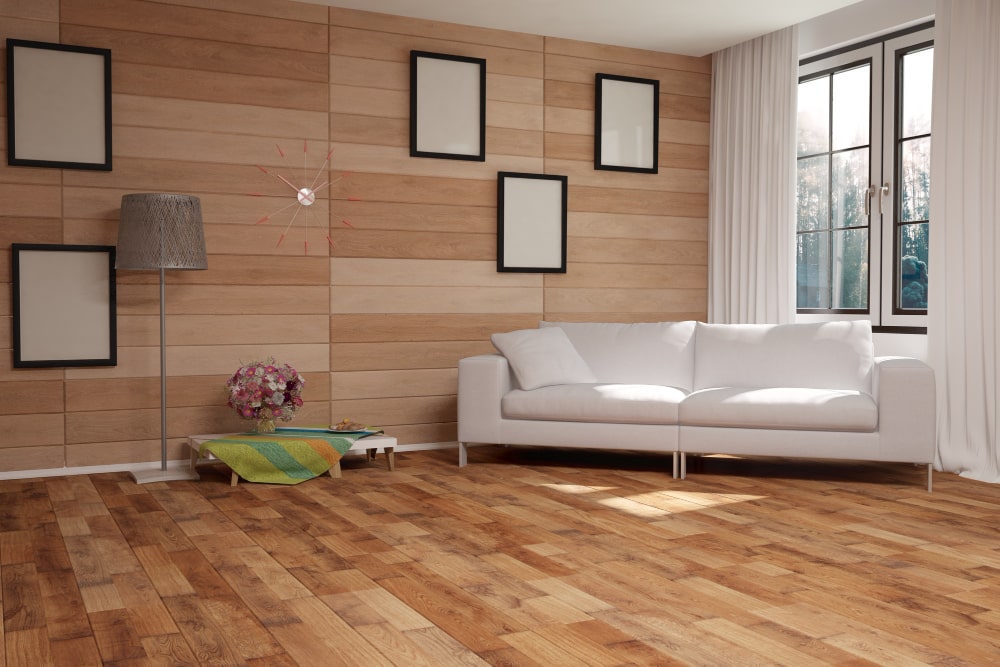
Picture a living room with honey-toned planks or a dining space anchored by bold, dark boards. The color, grain, and width of your hardwood floor shape each room’s personality. Style isn’t just about looks, it can dramatically impact resale value. Timeless woods and finishes tend to deliver the strongest returns.
Understanding Hardwood Varieties for Durability
Ask any installer: not all wood species are created equal. Local favorites like maple and red oak are perennial go-tos for good reason, but exotic options, think cumaru, have their own strengths.
Comparing Popular Wood Species: Maple vs. Red Oak vs. Exotic Options
– Maple: Renowned for its pale hue and subtle grain, maple resists dents and scratches, making it a top pick for high-traffic zones.
– Red Oak: Classic red oak boasts a warm tone and pronounced grain, offering a forgiving surface that conceals minor nicks.
– Exotic options: Woods like cumaru are harder and more moisture-resistant, ideal for challenging environments but sometimes pricier.
How Hardness Ratings Affect Wear and Tear
The Janka hardness scale measures how well a wood can resist scratching and denting. Higher ratings mean greater resilience, which is essential if you expect kids, pets, or parties. For reference, maple and red oak both score high, but exotics like cumaru push the numbers even further.
The Role of Wood Grain and Texture in Long-Term Resilience
Subtle, even grains (such as those found in maple) show less visible damage over time, while bold patterns can camouflage imperfections. Smooth finishes look refined but reveal every scratch; distressed textures can hide daily wear by design.
Style Considerations That Complement Longevity
Design trends come and go, but a well-chosen hardwood floor outlasts them all. The interplay between color, finish, and board width shapes both practicality and aesthetics.
Matching Hardwood Color and Finish to Interior Design
Lighter finishes, like natural maple, reflect more light and make spaces feel bigger, while dark stains create coziness but may show dust and scratches more easily. Matte finishes lend a modern, understated vibe; glossy coats bring out the grain but demand more upkeep.
The Impact of Floor Size and Plank Width on Appearance and Maintenance
Wider planks can visually expand a room but may be more sensitive to humidity changes. Narrower boards offer classic appeal and can hide movement or gaps over time. Standard thickness (typically 3/4″) ensures durability and allows for future refinishing.
Character and Grade: Finding the Balance Between Aesthetics and Practicality
Hardwood comes in grades from “select and better” (uniform and smooth) to “character” (knots and color variation). Character grades offer warmth and hide imperfections, while higher grades deliver consistency for minimalist spaces.
Construction Types and Their Effect on Floor Lifespan
Solid hardwood and engineered hardwood offer different benefits.
Solid Hardwood vs. Engineered Hardwood: Pros and Cons
Solid hardwood is milled from a single piece of wood, allowing for multiple sandings over decades. Engineered hardwood features a real wood veneer over a composite core, resisting warping in moisture-prone areas. For basements and condos, engineered might win; for classic longevity, solid hardwood is often the expert’s pick.
Thickness and Installation Methods That Enhance Durability
Thicker planks (3/4″) provide more material for repairs and refinishing. Nail-down installation locks the boards tightly, while click systems offer simplicity but may not last as long under stress.
Surface Finishes and Protective Coatings
Finish is your first line of defense against daily life.
Types of Finishes: Smooth, Distressed, Matte, and Glossy
Smooth finishes are elegant but highlight flaws. Distressed or hand-scraped options can disguise most wear. Matte finishes minimize glare and hide scratches, while glossy finishes add drama but need regular buffing.
How Finishes Protect Against Scratches, Moisture, and Fading
Quality finishes repel spills and block UV rays. Experts recommend water-based polyurethanes or advanced oils for homes with busy lifestyles.
Maintenance Tips to Maximize Hardwood Longevity
A little daily care can stretch the life of your floor by decades.
Daily Care and Cleaning Best Practices
Sweep regularly, use soft pads under furniture, and keep shoes in check. Avoid harsh chemicals and excess water.
When and How to Refinish Hardwood Floors
Refinishing every 7-10 years revives shine and removes surface damage. Solid hardwood can be sanded several times, while engineered options usually allow for one or two light refinishings.
Preventative Measures Against Damage and Wear
Rugs in high-traffic areas, humidity control, and prompt spill cleanup are simple practices that pay off for years.
Cost vs. Quality: Making the Smart Investment
You don’t have to break the bank for lasting beauty, but skimping upfront often means higher costs later.
Understanding Price Ranges and What Influences Cost
Prices vary widely by species, grade, and finish. For example, solid maple or red oak typically comes at a moderate price, while exotic woods and custom stains can increase costs.
How to Evaluate Value Beyond Initial Purchase Price
Consider refinishing potential, maintenance requirements, and how each option performs over time. A floor that looks great and wears well will save money and stress down the line.
Action Plan: Choosing Your Ideal Hardwood Flooring
Here’s how experts recommend you move forward:
- Assess your lifestyle: Kids, pets, climate, and room usage all matter.
- Pick the right species and grade: Match your needs with the wood’s strengths.
- Consult with professionals: Visit trusted showrooms or reach out to local experts.
- Plan for installation and care: Make sure your investment gets the expert treatment it deserves.
For inspiration and a wide range of options, specialists often point to curated collections of hardwood flooring to see what fits both your vision and your everyday needs.
Durable style starts with smart choices. Get both right, and your floors will return the favor for decades.