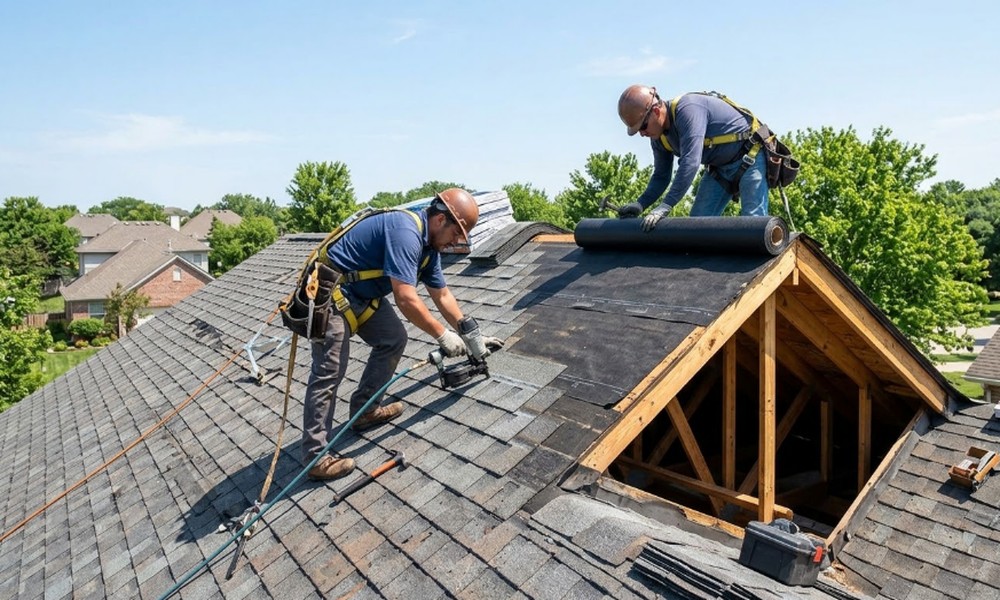

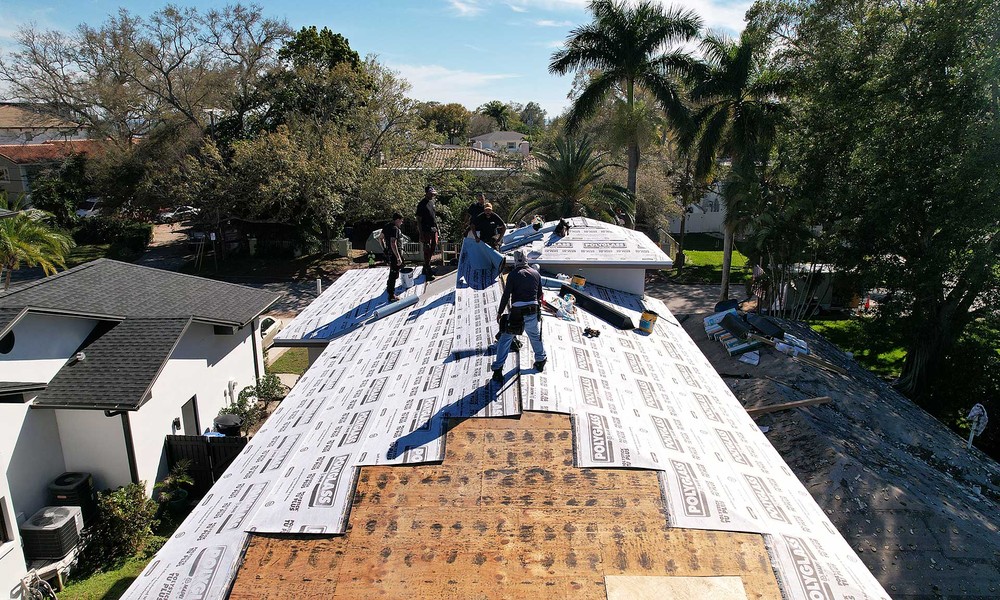
Replacing a roof in St. Petersburg isn’t just about choosing shingles or scheduling a contractor-it also means following local permitting rules and building codes designed to protect homes from storms, wind, and long-term damage. Understanding how roof replacement permits and codes work can help homeowners avoid costly fines, delays, or failed inspections while ensuring their new roof meets Florida’s strict safety standards.
Why Roof Replacement Permits Matter in St. Petersburg
St. Petersburg sits in a high-wind, hurricane-prone region, which is why roofing work is closely regulated. A roof replacement permit ensures that the materials, installation methods, and structural components meet local and state requirements. These permits are not just paperwork-they are safeguards that help protect homeowners, neighbors, and future buyers of the property.
Failing to obtain a permit can result in fines, stop-work orders, or complications when selling your home. In some cases, unpermitted roofing work may even void manufacturer warranties or insurance coverage.
When Is a Roof Permit Required?
In most cases, a permit is required when replacing an existing roof in St. Petersburg, especially if the work involves removing and replacing roofing materials or making structural changes. Minor repairs, such as replacing a few shingles or fixing flashing, may not require a permit, but full roof replacements almost always do.
Homeowners should also be aware that different rules may apply depending on the type of roofing system-such as asphalt shingles, metal roofing, or tile roofs-and the age of the structure.
Key Roofing Codes You Should Know
Roof replacements in St. Petersburg must comply with the Florida Building Code (FBC), along with local amendments enforced by Pinellas County. Some of the most important code considerations include:
- Wind resistance standards: Roofing systems must meet specific wind uplift requirements to withstand hurricane-force winds.
- Underlayment requirements: Proper underlayment is required to provide an additional layer of moisture protection.
- Nail patterns and fastening: The type, size, and spacing of fasteners are regulated to ensure roof stability.
- Roof deck attachment: Inspectors often check how the roof deck is secured to the structure, especially in older homes.
These codes are updated periodically, so working with a knowledgeable local roofing contractor is essential.
Who Is Responsible for Pulling the Permit?
While homeowners can technically apply for a roof replacement permit themselves, most choose to have their roofing contractor handle the process. Professional contractors understand the local requirements, submit the correct documentation, and coordinate inspections.
For homeowners in St. Petersburg, working with a local company like Old Time Roofing helps simplify this step. Since 1978, Old Time Roofing has worked extensively with local permitting offices and inspectors, helping ensure roof replacements are completed correctly and in compliance with all applicable codes.
The Inspection Process Explained
After a permit is issued, inspections are typically required at specific stages of the roof replacement. An inspector may check the roof deck attachment before underlayment is installed and perform a final inspection once the roofing system is complete. Passing these inspections confirms that the work meets local standards and allows the permit to be closed.
Scheduling inspections promptly helps prevent delays and keeps the project on track.
How Permits Protect Homeowners Long-Term
Properly permitted roof replacements offer long-term benefits beyond compliance. They provide documentation that can be valuable for insurance claims, home sales, and warranty protection. Buyers and insurers often look for proof that major improvements were done legally and inspected.
In storm-prone areas like St. Petersburg, having a code-compliant roof can also improve your home’s resilience and peace of mind during hurricane season.
Choosing the Right Roofing Contractor
Not all roofing contractors are equally familiar with local codes and permitting processes. Choosing a licensed, insured, and experienced local contractor is one of the best ways to ensure your roof replacement goes smoothly. Old Time Roofing, a family-owned and community-focused company in St. Petersburg, is known for providing honest estimates, quality workmanship, and personal involvement when needed to make sure homeowners are satisfied.
Final Thoughts
Roof replacement permits and codes in St. Petersburg, FL may seem complex, but they exist to protect homeowners and ensure long-lasting, storm-ready roofs. By understanding the basics and working with an experienced local contractor, you can avoid unnecessary headaches and feel confident that your new roof is built to meet Florida’s toughest standards.
This post was written by Ted Williams! Ted is the owner of A Old Time Roofing which is the premier roofers Clearwater FL Contractor! Ted is a Master Elite Weather Stopper GAF Roofing Contractor, a double award winner of Best Steep-Slope Contractor from GAF and achiever of Master Elite Consumer Protection Excellence from GAF. He has been serving the Pinellas County area since 1978. Old Time Roofing has a tradition of quality workmanship, servicing residential and commercial propert