Sizing Up a Roofer Before They Touch a Richfield Rambler

Richfield hands out reroofing permits the same day you apply. That convenience is great for homeowners in a hurry, but it also means the city is not slowing anyone down to ask whether the crew on your driveway is the right one. That judgment falls to you, and it is worth making carefully on a house that has probably been standing since the Truman years.
Most homes here are postwar ramblers and story and a half houses, many with a garage and breezeway added a decade or two after the original build. Roofs on these homes carry quirks that a crew used to newer subdivisions may not expect. Picking a Richfield roofing company that already knows those quirks saves money and headaches long after the dumpster leaves.
Bravo Restorations is one Twin Cities contractor whose work spans storm restoration and home renovation for both residential and commercial owners. Whether you call them or someone else, the real test is how a company handles the steps below, from the first visit to the final inspection photos.
The First Visit Tells You More Than the Price
A good roofer spends time looking before talking numbers. On a Richfield home, that should include a trip into the attic or at least a look through the access hatch. Story and a half houses hide knee wall spaces and sloped ceiling sections where ventilation and insulation problems tend to start, and those problems often explain why shingles wore out early.
Pay attention to the questions they ask. A thoughtful contractor will want to know about past ice dams, stained ceilings upstairs, whether the house went through the airport sound insulation program, and whether the breezeway roof has ever leaked. Someone who measures from the ground, quotes in fifteen minutes, and never asks about the inside of the house is pricing a generic roof, not yours.
Paperwork That Protects You Later
Minnesota takes contractor licensing seriously, and this is where many homeowners skip a step they regret. The state requires anyone contracting directly with a homeowner for roofing to hold a residential roofer, remodeler, or building contractor license. There is a catch worth knowing. A roofer only license covers roofing alone, so a company holding just that license cannot contract to install your gutters, soffit, or fascia. The Minnesota Department of Labor and Industry explains these license types and also notes that a license requires current liability insurance and workers’ compensation compliance.
Licensing matters for another reason. Minnesota’s Contractor Recovery Fund can compensate homeowners for certain losses caused by a licensed contractor’s fraud or failure to perform. Hire someone unlicensed, and that safety net disappears.
Beyond the license, ask for a certificate of insurance sent directly from the agent, confirm who pulls the city permit, and ask how the company handles Richfield’s reroof photo submissions. The city collects photos through its permit portal, so a crew that photographs ice barrier, valleys, and flashing before covering them is doing you a favor.
What a Serious Estimate Spells Out
Vague estimates create arguments. A solid one leaves very little to interpretation, and it should name the following.
- The shingle brand, product line, and color, along with the underlayment and ice barrier being used
- How far up from the eaves the ice barrier will run, which matters more on homes with warm knee wall spaces
- What happens to the decking, including a per sheet price for replacing rotted or gapped plank boards
- The ventilation plan, including whether old box vents stay or get replaced with a ridge vent
- Flashing details at the chimney, dormers, plumbing stacks, and the breezeway tie in
- Cleanup, disposal, and how nails will be swept from the yard and driveway
That decking line deserves extra attention. Many original Richfield roofs sit on plank sheathing rather than plywood, and the true condition is unknown until the old shingles come off. A clear per sheet price avoids surprises on tear off day.
Local Know How That Separates the Good From the Average
Some details only come from working on these particular streets. Ventilation is a big one. Short overhangs on many ramblers leave little room for soffit intake, and simply adding exhaust at the ridge without enough intake can pull warm air from the house into the attic. An experienced crew will talk through balancing the two.
Homes that were sound insulated by the Metropolitan Airports Commission often have baffled roof vents and deep attic insulation. Swapping vents carelessly can undo that work, so a roofer familiar with the area will ask before changing anything.
Then there are the neighbors. Richfield lots are modest, houses sit close together, and mature trees overhang many roofs. A considerate company plans where the dumpster goes, protects shrubs and window wells, tarps the neighbor’s side yard, and coordinates with any tree trimming before the crew arrives.
Watching the Job Unfold
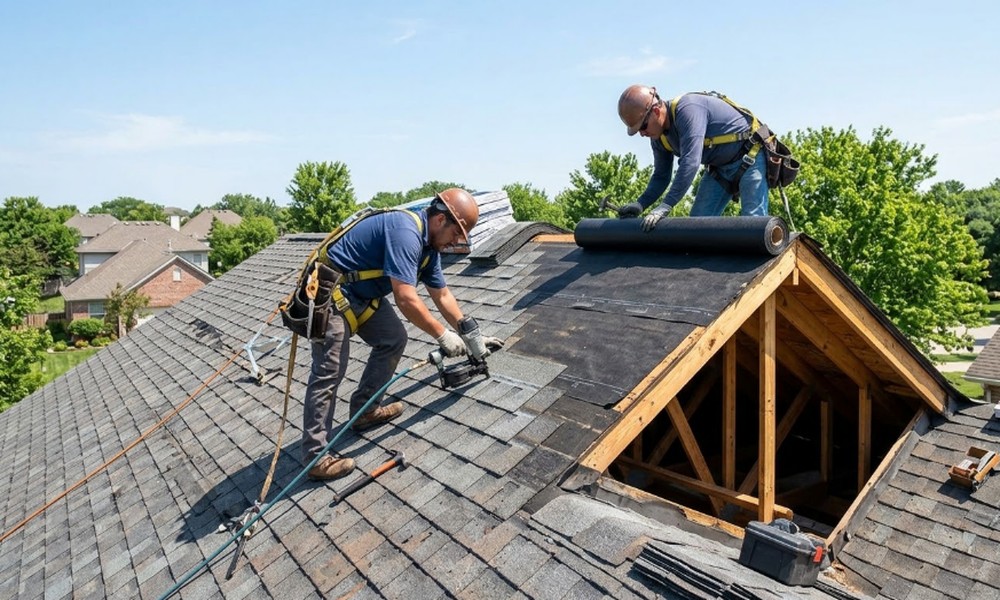
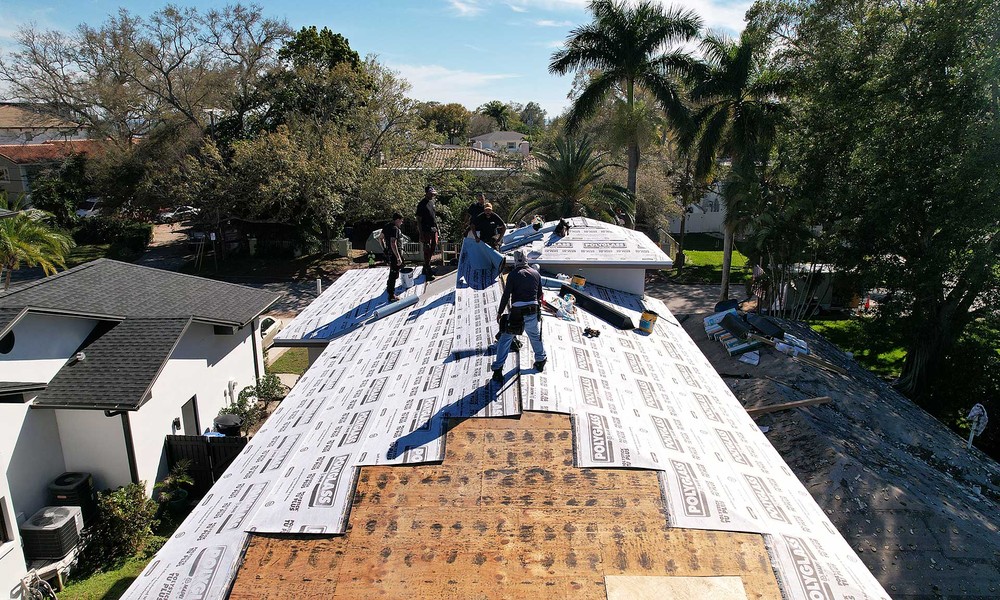
Most asphalt reroofs on a Richfield rambler take a day or two, with story and a half homes sometimes running longer because of steeper slopes and dormers. A well run job starts with tear off and deck inspection, pauses for any repairs you approve, then moves through underlayment, flashing, and shingles.
Stay reachable on tear off day. That is when hidden rot or old leaks show up, and the crew may need a quick decision. Ask for photos of anything they find so you can see the problem rather than take it on faith.
Weather plays a role, too. Late fall installs are common in Minnesota, but shingle sealant strips need warmth to bond. A careful crew will hand seal shingles when temperatures drop rather than assume spring sunshine will finish the job.
After the Last Shingle Goes Down
The job is not finished when the crew packs up. You should receive a final invoice that matches the estimate, lien waivers showing suppliers and subcontractors have been paid, the manufacturer warranty registration, and the contractor’s own workmanship warranty in writing. Keep these with your house records, because a future buyer’s inspector will ask.
Walk the yard a day later with a magnet if the crew did not already. Check the attic after the next heavy rain for any drips around new flashing. A company confident in its work will welcome a callback rather than avoid one, and that attitude is often the clearest sign you hired well.