

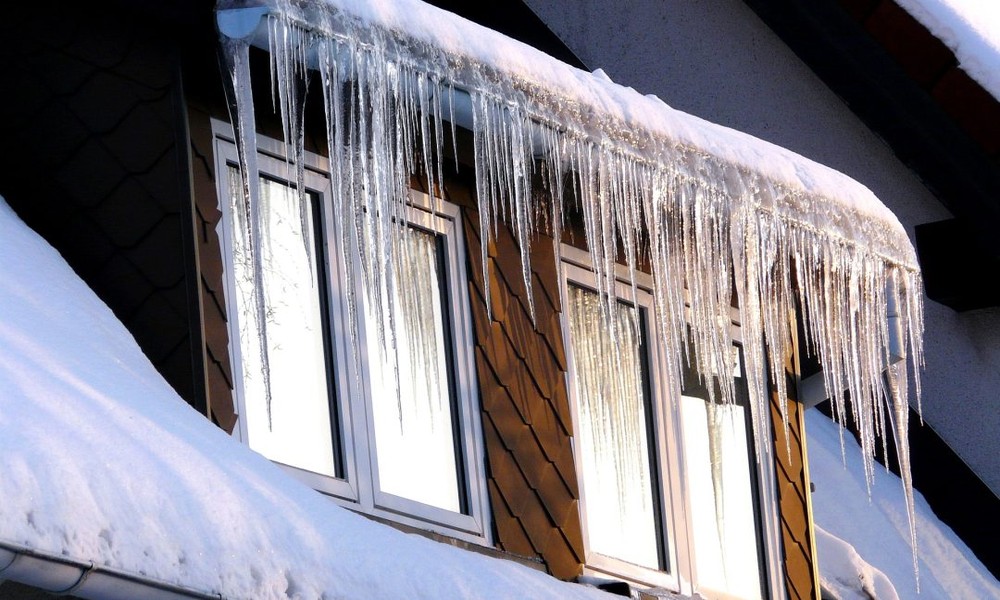
Utah winters bring heavy snow and sharp temperature swings. These conditions often create dangerous ice dams on residential roofs. Homeowners must choose between traditional and modern technology to protect their property. Now, the choice between these two systems impacts both safety and long-term costs. You should understand how each option handles the local freeze-thaw cycles effectively. On Top Roofing Service provides expert guidance on these different heating technologies for local houses.
Understanding Traditional Constant Wattage Systems
Traditional heat cables utilize a constant wattage design for ice melting. These cables stay at one fixed temperature while they are plugged in. The system does not adjust based on the actual outside weather. Sometimes, the cable runs at full power even during milder winter days. This lack of flexibility leads to much higher monthly energy bills. But the initial purchase price for traditional cables is usually quite low.
Exploring Modern Self Regulating Technology
Modern solutions feature advanced self-regulating materials for better thermal control. This technology changes its heat output based on the surrounding air. The cable core contracts when the temperature drops to produce more warmth. Now, the power usage decreases automatically as the roof surface gets warmer. You will find that this smart adjustment prevents the cable from overheating. On Top Roofing Service often recommends these modern systems for high-altitude areas with deep snow.
Energy Efficiency and Long Term Performance
Efficiency is a major factor for any utah heat cable installation project. Traditional cables consume the same amount of electricity regardless of the frost. They can waste significant energy when the sun is shining on the roof. Modern self-regulating cables are far more efficient over a full season. But they require a higher investment during the initial setup phase. The reduced utility costs often make up for this price difference quickly.
Safety and Installation Differences
Safety remains a top priority when installing heating equipment on a roof. Traditional constant wattage cables cannot overlap because they might melt or burn. You must be very careful during the layout to avoid any contact. Modern self-regulating cables are much safer because they do not get too hot. They can even cross over themselves without the risk of a short circuit. On Top Roofing Service ensures that every installation meets the highest safety standards for homeowners.
Durability in the Rugged Utah Environment
The harsh mountain climate tests the durability of every outdoor heating system. Traditional tapes often have thinner jackets that may crack over several years. Modern cables usually feature thick polyolefin or fluoropolymer coatings for better weather resistance. These materials withstand intense ultraviolet rays and heavy ice loads without breaking down. Now, you can expect a modern system to last much longer than old versions. Investing in quality materials provides peace of mind throughout the coldest winter months. Choosing a reliable system protects your gutters and prevents costly interior water damage.


